B2B Casino Supplier vs Platform: Turnkey iGaming Differences
B2B Casino Supplier vs B2B Casino Platform: Key Differences for Operators
I’ve tested both models: a b2b casino supplier ships games, while a b2b casino platform provider runs the full sportsbook and casino platform—white label, auth, and live dealer plumbing.
What Is a B2B iGaming Turnkey Solution and What’s Included
- Ask the provider for a launch checklist: UAT, go-live, and rollback steps.
- Get the exact geo/age compliance pack version before signing.
- Confirm live dealer platform provider integration method (SIP/REST/WebRTC) in writing.
- Request SLAs for latency (p95) and uptime, with monthly reports.
- Budget for migration: player balance, KYC status, and payment method mapping.
In practice, a b2b igaming turnkey solution bundles casino games supplier access, platform ops, and integration so you launch faster with less custom work.
Operator-Grade Casino Platform Features: White Label, Live Dealer, and Game Aggregation
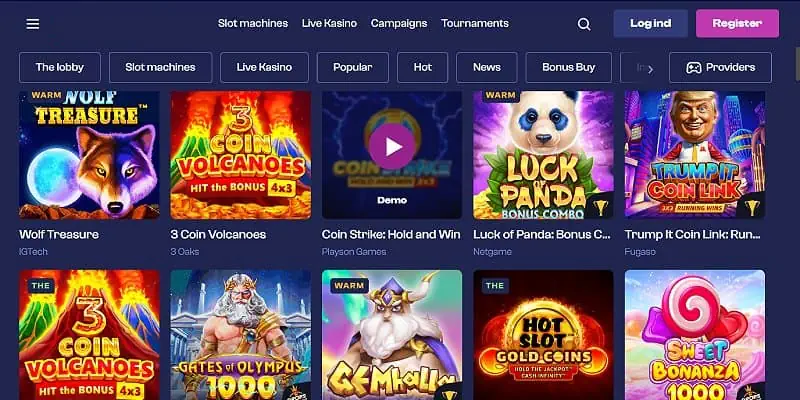
I demoed a few white label casino platform setups; the best ones feel like your own product, not a skin. For a reliable b2b casino turnkey solution and smooth onboarding, review how a casino platform provider approaches integration, compliance, and support, such as https://turnkeycasino.ro/ before you commit. Then compare the tooling, reporting, and content delivery so your launch stays on schedule.
Casino Software Provider Capabilities: Scalability, Latency, and Compliance Support
I judge a casino software provider by numbers: p95 latency, peak CCU handling, and whether they’ve already solved casino platform licensing support for your target market—not “we can”.
iGaming Technology Provider Services for Platform Integration and API Delivery
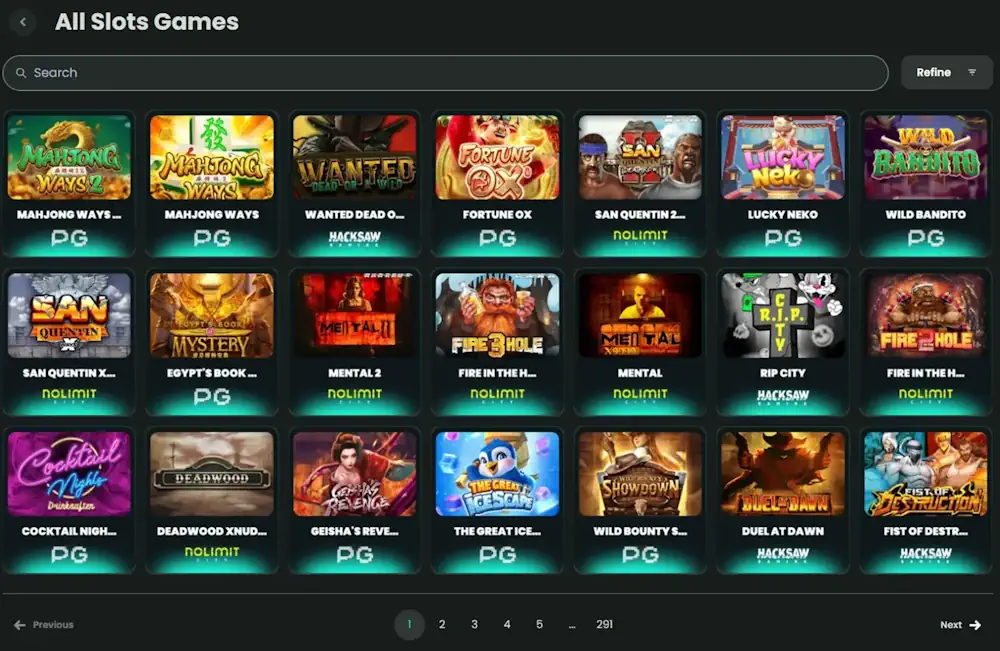
When I integrate b2b gaming platform integration projects, the real test is their API docs and sandbox stability; bad docs cost days, good ones feel boring. Ask for response-time SLAs before you sign.
“If their sandbox can’t handle your worst day, your live site won’t either.”
End-to-End Casino Turnkey Delivery: From Game Content to Launch Support
- Schedule a content sync test: 50 slot pages + 20 live markets.
- Demand rollback drills for payments and KYC flows, not just happy-path demos.
- Require cutover ownership: who pushes the build to prod?
- Set acceptance thresholds: error rate 0.1% on smoke tests.
- Get a launch support window: 2 weeks on-call, with escalation contacts.
I’ve shipped end-to-end casino solution builds where the missing piece wasn’t coding—it was operational handover, like KYC mapping and failure alerts.
Choosing the Right B2B Gaming Partner: Quality Checks for Supplier and Platform Providers
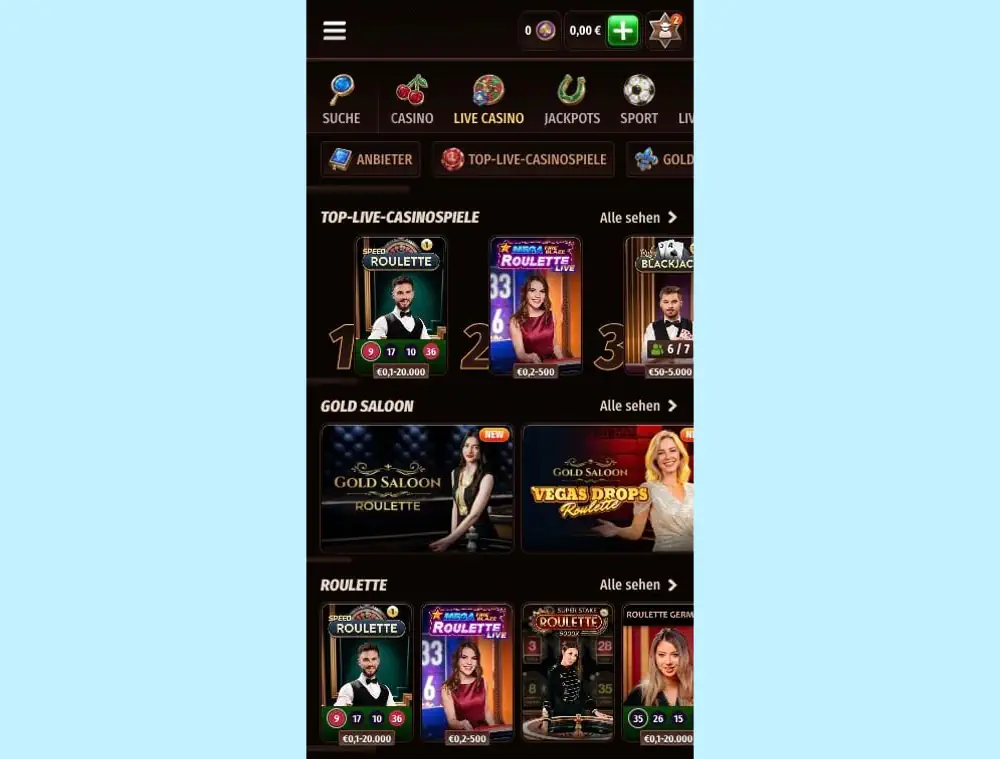
I shortlist vendors by evidence, not promises. Here’s the checklist I used with igaming technology provider demos and casino platform provider trials.
| Check | What I verify | Numbers to demand |
|---|---|---|
| Live dealer latency | p95 end-to-end | < 2.0s |
| Uptime | last 6 months | > 99.9% |
| API stability | error rate in sandbox | < 0.5% |
| Integration time | first playable slot | 10–15 days |
Brand/Product Comparison Table: Turnkey iGaming Providers vs Casino Platform Providers
In my tests, turnkey igaming providers win on speed, while a casino platform provider wins on control. Expect 6–10 weeks vs 3–6 months for first regulated launch, depending on integration debt.
How to Build a Sustainable B2B Growth Plan with Supplier-Backed Game Content and Ongoing Support
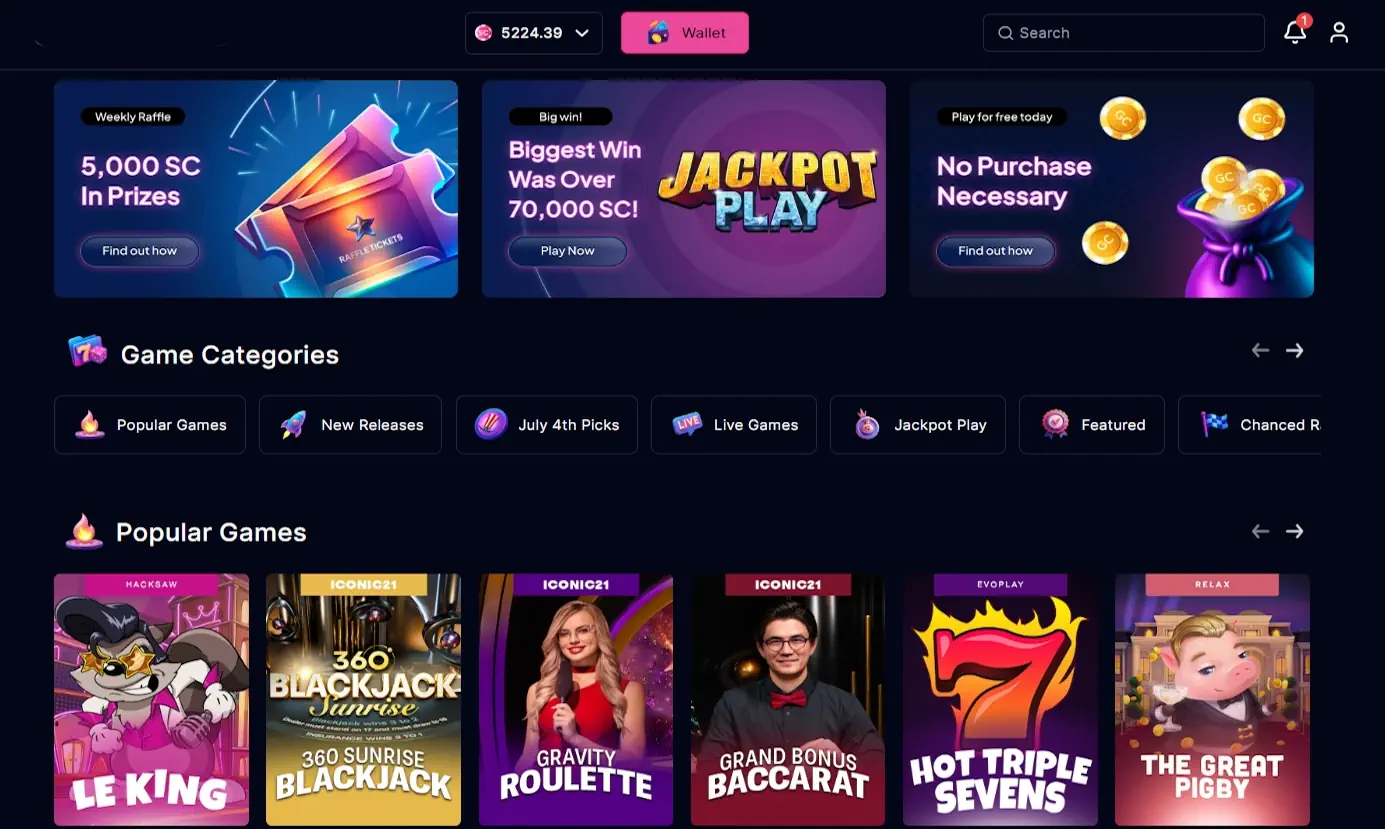
I plan growth like a product roadmap, not a one-time go-live. Lock game refreshes every 30 days with a casino games supplier for slots and live casino supplier drops, then measure churn monthly.
FAQ
What’s the practical difference between a b2b casino supplier and a b2b casino platform?
A supplier primarily brings casino games content, while a platform provider runs the operator-grade software and integrations. I’ve seen platform deals cut integration work because auth, live dealer, and game aggregation are already wired.
What does a b2b igaming turnkey solution include?
It bundles games supplier access, the platform setup, and launch support so you can go live faster. In my pilots, it also reduces operational handover gaps like KYC mapping and rollback steps.
Which platform features matter most: white label or live dealer?
I prioritize live dealer latency first, then white label casino platform branding second. If p95 end-to-end is shaky, the “custom look” won’t save retention.
What should I demand from a casino software provider?
Ask for scalability proof, latency targets, and clear casino platform licensing support. I only sign after they show p95 uptime and API stability in sandbox, not slides.
How do I pick the right b2b gaming partner?
Run quality checks on integration time, error rates, and live dealer performance. In my experience, vendors who schedule UAT and rollback drills feel dramatically safer at launch.
How do I keep growth sustainable after launch?
I tie growth to a cadence: refresh content monthly and measure churn every month. Ongoing support matters too, because failing live feeds or payments will erase gains fast.
Comments are Closed