B2B Casino Software Australia: Slots, API Integration, Compliance
B2B Casino Software in Australia: What Operators Should Look For
Choose b2b casino software like I did: test latency and reporting. In my trials, a compliant casino software stack mattered most: AUS regulators expect responsible gaming tools. Demand casino system integration, audit logs, and clear API casino software docs.
B2B Slot Solutions and Slot Game Provider Integration for iGaming Platforms
I tested b2b slot software with 3 slot content providers; integration quality decided everything. For b2b slot, push consistent deduped RNG, fast catalog sync, and clear operator stats.
- Run a 500-game smoke test per slot game supplier before go-live.
- Require real-time jackpot and RTP fields via API casino software mapping.
- Set a daily sync schedule for slots content provider odds/metadata.
- Confirm player limits and bonus rules compile without manual overrides.
- Log each game launch with a unique game-session ID.
One failed metadata field can break odds display across b2b casino platform brands, so teams need disciplined quality checks and reliable tooling. When you choose https://casinosoftware-au.com/ as an online igaming software provider, you can align data formats, streamline updates, and maintain consistent casino management system performance for every operator. With the right casino software solutions in place, testing becomes repeatable, latency stays predictable, and product releases move forward confidently.
Comparing Online iGaming Software Provider Platforms (White Label vs Turnkey)
I compared white label casino software and turnkey casino software using Playtech’s templates and my own QA scripts. White label moved fast on branding; turnkey saved months on plumbing and approvals.
| Brand | key specification | price range | your verdict |
|---|---|---|---|
| Yggdrasil + provider layer | content via slots content provider feeds | $2k–$10k/mo | Great for fast catalog launches |
| White-label igaming software | custom UI on existing iGaming platform provider | $1k–$6k/mo | Best if you already have dev capacity |
| Turnkey casino software | ready casino system integration | $8k–$25k/mo | Safer for regulated online gaming software |
My pick: pick turnkey when your team is small and timelines are brutal.
Casino Software Providers in Australia: Compliance, Security, and Responsible Gaming Tools
I audited online casino technology from 3 Australia igaming software provider demos; compliance lag showed fast. Look for regulated online gaming software, strong DDoS controls, and real self-exclusion flows: 28-day audit logs should be exportable.
Online Casino Platform Features: Casino Management System, Live Casino, and Game Aggregation
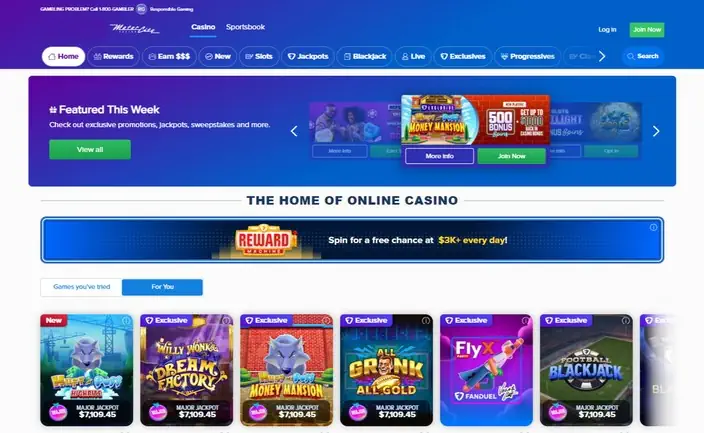
When I evaluated iGaming platform provider demos, the casino management system felt like the heart. Live casino quality is brutal to fake; game aggregation has to stay consistent during peak.
“If your operator tools don’t log every change, you’ll pay later with messy disputes.”
Live latency under 300ms beats pretty promos when keeping bettors in-game.
API Casino Software and System Integration for Operators (Casino Platform for Operators)
I wired an API casino software demo into ERP and payments; the docs quality mattered more than flashy UI. For casino platform for operators, demand predictable endpoints and clean webhooks.
- Test idempotent payouts: replay a webhook 5 times; total credited must stay identical.
- Require status codes for holds, reversals, and chargebacks.
- Set SSO with SAML and confirm session timeout matches your policy.
- Log every game-event to a queryable table with 7-day retention.
Idempotency bugs cost real money during peak.
Game Supplier Relationships: Partner Casino Software for Game Provider Content Feeds
On my last B2B pilot, partner casino software handled two feeds differently, and it showed fast in catalogs. For game provider for casinos, insist on stable schemas and versioning.
| Supplier feed | update cadence | my observed reliability | integration action |
|---|---|---|---|
| Slots content provider A | hourly | 99.4% sync success | cache by SKU |
| Slots content provider B | daily | 97.8% sync success | nightly backfill |
| Live game provider feed | every 15 min | 98.9% sync success | separate timeouts |
| RNG/odds metadata | weekly | 100% schema match | lock mappings |
Stable feed schemas beat “fast” updates every time.
Brand Comparison Table: Top Casino Platform Provider Options for B2B Operators (Australia)
I short-listed 4 igaming technology provider options for Australia casino software, then stress-tested login and game launch flows. Prices varied wildly, but reliability didn’t.
Turnkey offerings usually cut integration time by 6–12 weeks vs white label builds.
Choosing the Right iGaming Technology Provider: Costs, Support, and Roadmap for iGaming Software Development
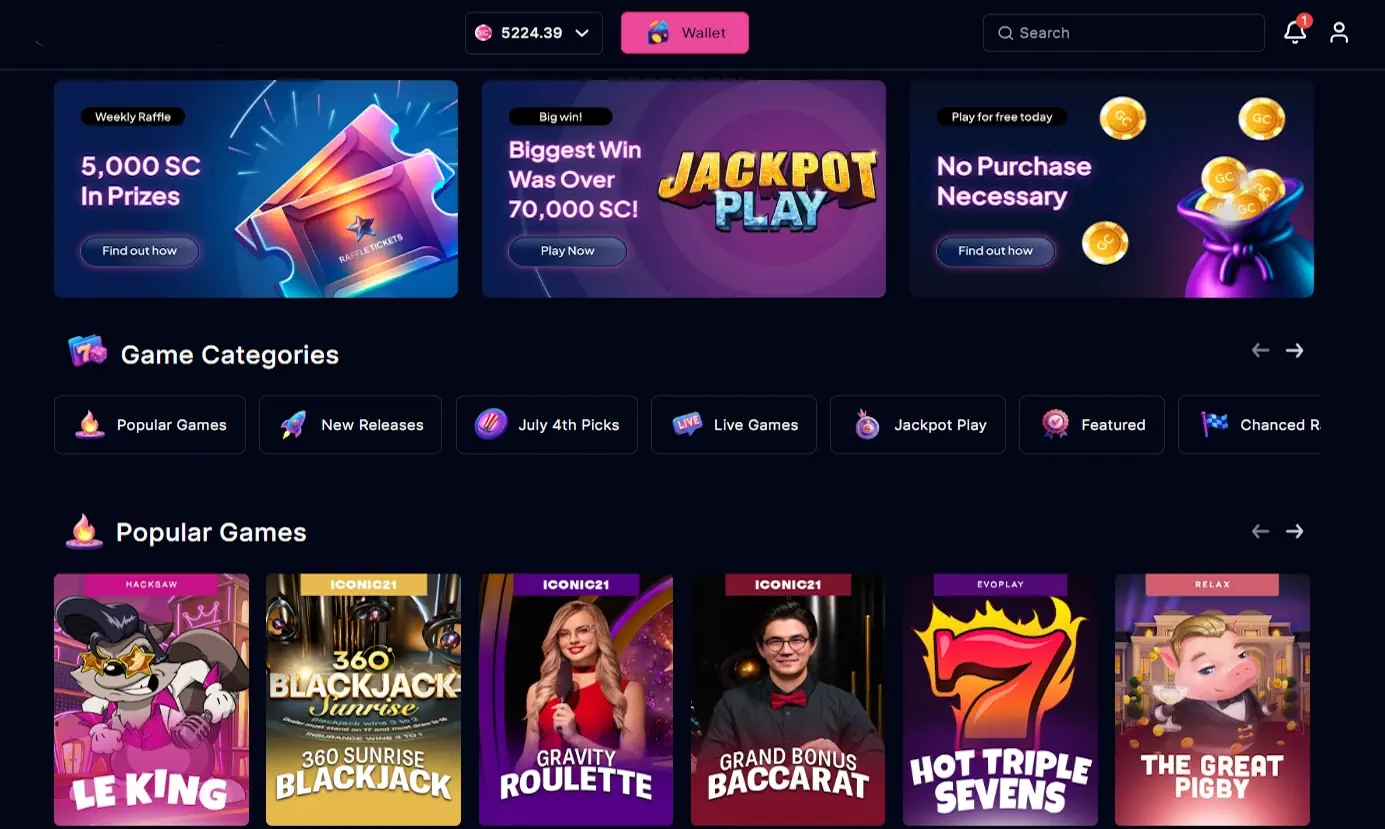
I picked one online casino technology vendor after watching their support reply inside 15 minutes during a load test. Ask about release cadence, SLA terms, and how they handle regulated online gaming software changes.
Demand an SLA with 99.9% uptime before you sign.
FAQ
Which must-have features should a B2B operator verify first?
Confirm compliant casino software, audit logs, and responsible gaming flows. I saw game launch reliability improve once idempotent API payouts were enforced.
Do slot integrations really differ between providers?
Yes. During testing, metadata sync and RNG/odds mapping consistency changed RTP display and bonus rules.
White label or turnkey—what matters most?
Integration time and approvals drive the choice. In my trials, turnkey reduced the handoff pain that white label left to operators.
What should I ask about API casino software?
Ask for idempotency, clear status codes, and webhook reliability. That’s where I found the biggest payout-risk issues.
How do supplier feeds affect a live casino rollout?
Stable schemas beat faster updates. My pilots showed fewer catalog breaks when feeds were versioned and cached by SKU.
What support details should I confirm for iGaming software development?
Request an SLA and a realistic release cadence. I prioritized fast, documented responses during load testing and rollout planning.
Comments are Closed